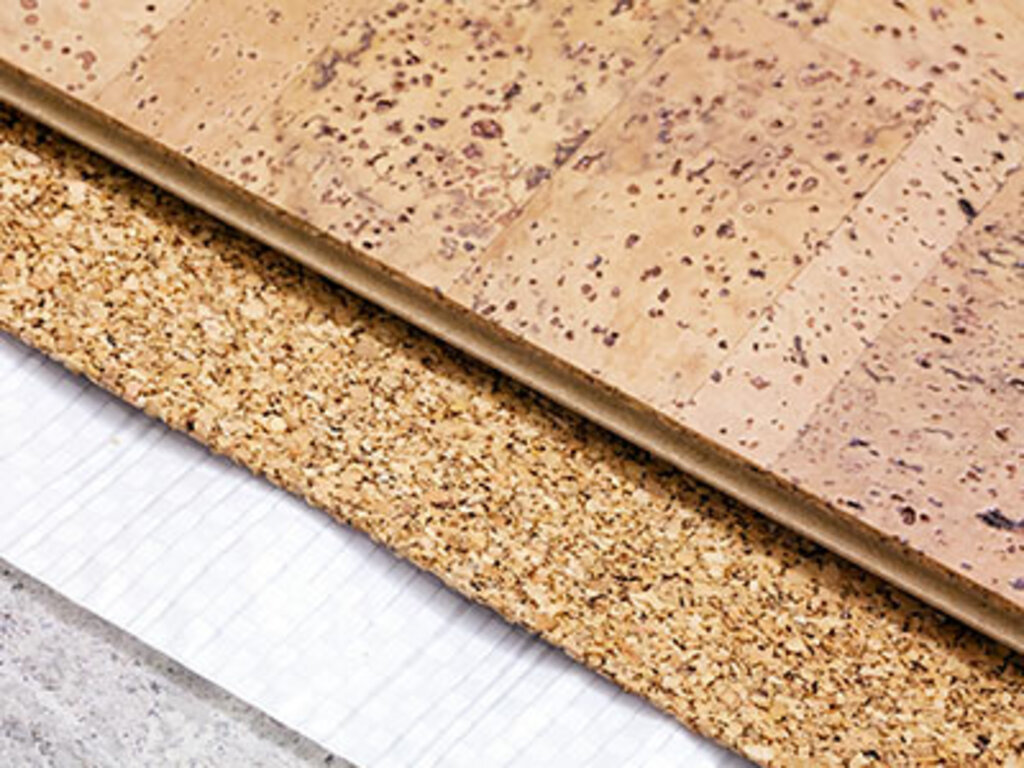
 In an era where energy efficiency is paramount, homeowners and builders alike are constantly seeking innovative solutions to reduce energy consumption and enhance comfort. One of the most effective yet often overlooked strategies is the implementation of next-generation flooring insulation. This blog post will delve into the science behind thermal comfort, explore the latest advancements in flooring insulation technology, and demonstrate how these innovations can significantly slash energy bills.
Understanding Thermal Comfort
Thermal comfort refers to the state of mind that expresses satisfaction with the surrounding thermal environment. It is influenced by several factors, including air temperature, humidity, air movement, and the temperature of surfaces in contact with the body. Achieving thermal comfort is essential not only for personal well-being but also for energy efficiency in buildings.
The Importance of Insulation
Insulation plays a crucial role in maintaining thermal comfort. It acts as a barrier to heat flow, keeping warm air inside during winter and preventing heat from entering during summer. Proper insulation can lead to significant energy savings, reduced heating and cooling costs, and a more comfortable living environment.
The Evolution of Flooring Insulation
Historically, flooring insulation has relied on materials such as fibreglass, foam board, and cellulose. While these materials have served their purpose, they often fall short in terms of performance, durability, and environmental impact. Traditional insulation can be prone to moisture absorption, leading to mould growth and reduced effectiveness over time.
Next-Generation Insulation Technologies
Recent advancements in insulation technology have led to the development of next-generation materials that offer superior performance and sustainability. These innovations include:
- Reflective Insulation: Utilizing reflective surfaces to reduce radiant heat transfer, reflective insulation can significantly enhance thermal performance, especially in warmer climates.
- Aerogel: Known for its exceptional insulating properties, aerogel is a lightweight material that provides superior thermal resistance while being environmentally friendly.
- Phase Change Materials (PCMs): PCMs absorb and release thermal energy as they change states, helping to regulate indoor temperatures and enhance comfort.
- Spray Foam Insulation: This versatile material expands upon application, filling gaps and creating an airtight seal that prevents heat loss and air infiltration.
- Recycled Materials: Innovations in recycling have led to the creation of insulation products made from recycled materials, reducing environmental impact while maintaining performance.
How Next-Generation Flooring Insulation Works
Next-generation flooring insulation works by minimizing heat transfer through conduction, convection, and radiation. By creating a thermal barrier, these materials help maintain a stable indoor temperature, reducing the need for heating and cooling systems to work overtime.
- Conduction: This is the transfer of heat through materials. High-performance insulation materials have low thermal conductivity, meaning they resist heat flow effectively.
- Convection: This involves the movement of air. Insulation helps to minimize air movement, reducing heat loss through drafts.
- Radiation: Reflective insulation materials can reflect radiant heat away from living spaces, keeping homes cooler in the summer and warmer in the winter.
Installation Techniques
Proper installation is crucial for maximising the benefits of next-generation flooring insulation. Here are some key techniques:
- Sealing Gaps: Ensure that all gaps and cracks are sealed to prevent air leaks. This can be done using caulk or spray foam.
- Layering: In some cases, layering different types of insulation can enhance performance. For example, combining reflective insulation with traditional materials can provide a comprehensive thermal barrier.
- Professional Installation: While some homeowners may choose to install insulation themselves, hiring professionals can ensure that the job is done correctly and efficiently.
The Financial Benefits of Next-Generation Flooring Insulation
One of the most compelling reasons to invest in next-generation flooring insulation is the potential for significant energy savings. According to the U.S. Department of Energy, proper insulation can reduce heating and cooling costs by 20% to 50%. This translates to hundreds of dollars saved annually on energy bills.
Increased Home Value
Energy-efficient homes are increasingly in demand, and properties with high-quality insulation can command higher resale values. Potential buyers are often willing to pay a premium for homes that promise lower energy costs and enhanced comfort.
Tax Incentives and Rebates
Many governments and utility companies offer tax incentives and rebates for homeowners who invest in energy-efficient upgrades, including insulation. These financial incentives can help offset the initial costs of installation, making it an even more attractive investment.
Enhancing Indoor Air Quality
Next-generation flooring insulation not only improves thermal comfort but also contributes to better indoor air quality. Traditional insulation materials can harbour dust, allergens, and mould, leading to respiratory issues and other health problems. In contrast, modern insulation materials are designed to resist moisture and inhibit mould growth, creating a healthier living environment.
Ventilation Considerations
While insulation is essential for energy efficiency, proper ventilation is equally important for maintaining indoor air quality. Homeowners should consider incorporating ventilation systems that work in tandem with insulation to ensure a continuous flow of fresh air while minimizing energy loss.
Sustainability and Environmental Impact
Next-generation flooring insulation often incorporates sustainable materials, such as recycled content and renewable resources. This not only reduces the environmental impact of insulation production but also contributes to a circular economy.
Energy Efficiency and Carbon Footprint
By reducing energy consumption, next-generation flooring insulation helps lower greenhouse gas emissions associated with heating and cooling. This is a crucial step in combating climate change and promoting a more sustainable future.
Case Studies: Real-World Applications
Many homeowners have successfully implemented next-generation flooring insulation in their homes, resulting in significant energy savings and enhanced comfort. For example, a family in a cold climate installed spray foam insulation in their basement and saw a 40% reduction in heating costs during the winter months.
Businesses are also reaping the benefits of advanced insulation technologies. A commercial building that upgraded its flooring insulation to include aerogel and reflective materials reported a 30% decrease in energy expenses, allowing for reinvestment in other areas of the business.
Conclusion: The Future of Thermal Comfort
As energy costs continue to rise and environmental concerns become more pressing, the importance of thermal comfort and energy efficiency cannot be overstated. Next-generation flooring insulation offers a powerful solution for homeowners and builders looking to enhance comfort, reduce energy bills, and contribute to a more sustainable future.
Investing in advanced insulation technologies is not just a smart financial decision; it is a commitment to creating healthier living spaces and protecting our planet for future generations. By embracing these innovations, we can unleash the full potential of thermal comfort and pave the way for a more energy-efficient world.
Call to Action
Are you ready to take the next step toward a more comfortable and energy-efficient home? Contact a local insulation expert today to learn more about next-generation flooring insulation options and how they can benefit you. Don’t wait—start slashing your energy bills and enhancing your indoor comfort today!